
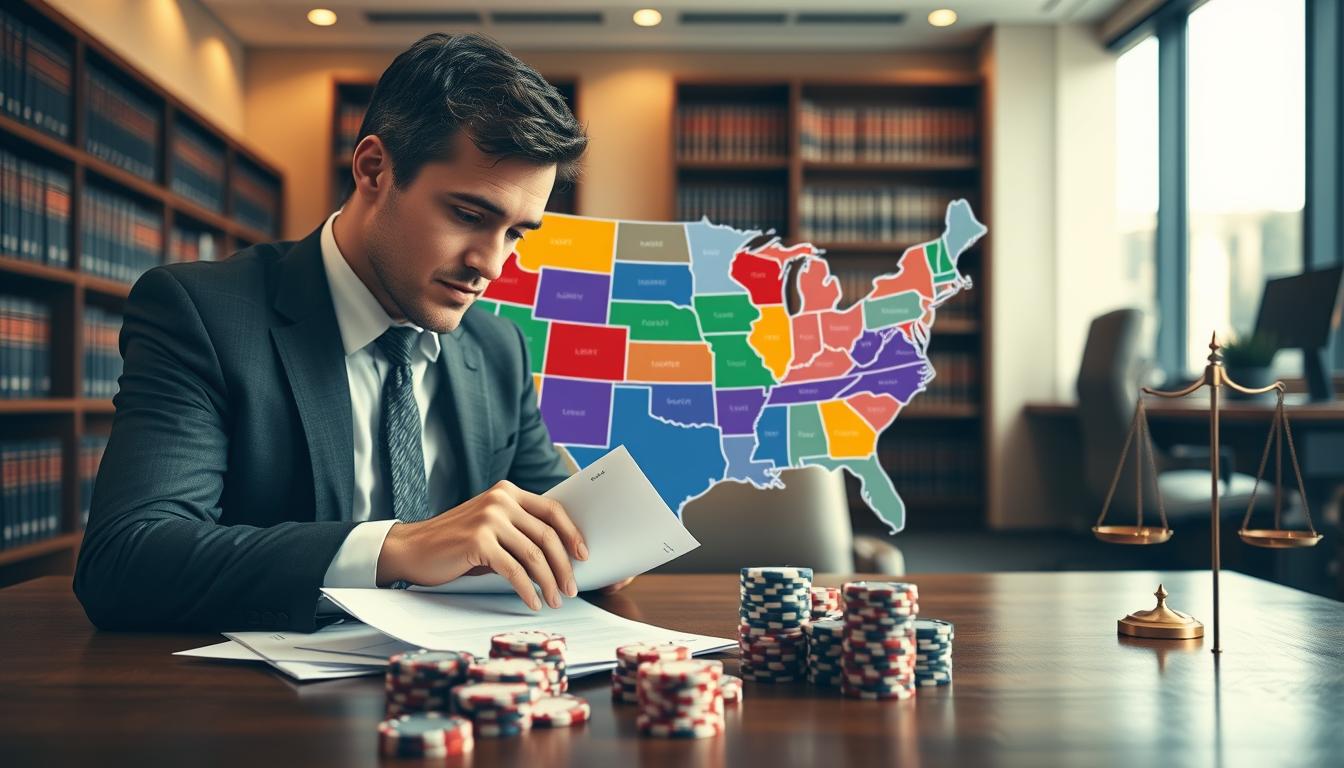
Welcome to America’s digital card room conundrum. Your ability to play depends on where your router broadcasts from.
The federal government basically said “states’ rights!” like it’s 1861 again. This created a patchwork of regulations. It makes the plot of Inception look simple.
We’ll look at how a law from the Kennedy administration affects your Texas Hold’em games today. The Wire Act and UIGEA make financial obstacles seem easy.
This isn’t just about laws. It’s about why fifty different places decide what’s okay for digital card play. Your bluffing rights change with your zip code.
How to Check a Site’s Credentials
Ever wonder if that flashy poker site is more trustworthy than a used car salesman’s handshake? I’ve navigated these digital waters long enough to spot the difference. Let me be your guide through the verification process.
First things first: legitimate sites don’t hide their credentials. They proudly display licensing information from state gaming commissions. We’re talking actual regulatory seals, not just decorative logos. These badges represent rigorous oversight from bodies like Nevada’s Gaming Control Board or New Jersey’s Division of Gaming Enforcement.

- Check the footer – Licensed operators always display their licensing information at the bottom of their homepage
- Verify with regulators – State gaming commissions maintain public lists of approved operators
- Research payment processors – Legitimate sites use established, transparent banking partners
Red flags? They’re easier to spot than a bad poker tell. Watch for sites that make withdrawal processes more complicated than a tax return. Or customer service that’s slower than dial-up internet. If the bonus offers seem too generous, they probably are.
Remember, online poker legality varies by state, but verification standards shouldn’t. Proper licensing ensures fair play, secure transactions, and actual payout guarantees. It’s the difference between playing in a regulated casino and a backroom game.
Trust your instincts. If something feels off, it probably is. Your digital safety is worth more than any sign-up bonus. Now go forth and play smart, my friends.
Taxes and Reporting Winnings
Congratulations! You just hit a massive pot. Now meet your silent partner – the IRS. They want their cut before you even color up your chips.
The taxman treats gambling winnings like found money at a yard sale. It’s income, plain and simple. Whether you’re playing poker in Pennsylvania or slots in Nevada, those winnings go on your 1040.
Here’s where it gets interesting. Casual players and pros face different tax obligations. The weekend warrior reports winnings as “other income.” The professional gambler files Schedule C and deducts losses against winnings.
Why does this matter? Records become your best friend. That notebook tracking your wins and losses? More valuable than knowing your opponent’s tell.
Federal taxes take 24% of winnings over $5,000. But states want their piece too. Check the state tax rates on gambling winnings before celebrating too hard.
Key differences between casual and professional status:
- Pros deduct expenses like travel and software
- Casual players can only deduct losses up to winnings
- Professional status requires consistent profit-seeking behavior
Sweepstakes winnings create their own tax puzzle. Platforms like those reviewed on legitimate gaming sites generate taxable income. The IRS doesn’t care how you won it – only that you did.
State taxes add another layer of complexity. Some states tax gambling winnings heavily. Others don’t touch them. Your location on the online gambling map determines how much you keep.
Always remember: the casino might not always send a W-2G. But that doesn’t mean you’re off the hook. The burden of reporting falls on you, the winner.
Keep detailed records. Track sessions. Save receipts. When tax season arrives, you’ll be ready to face the music – and hopefully keep most of your winnings.
State-by-State Breakdown
Welcome to America’s great poker paradox. Your ability to play legal online poker changes just by crossing a state line. It’s like watching 50 different directors remake the same movie, each with their own twist.
New Jersey, Nevada, and Delaware started the trend with their multi-state compact. Pennsylvania joined later, realizing being alone in the Northeast was a problem. It was like missing out on a big party.
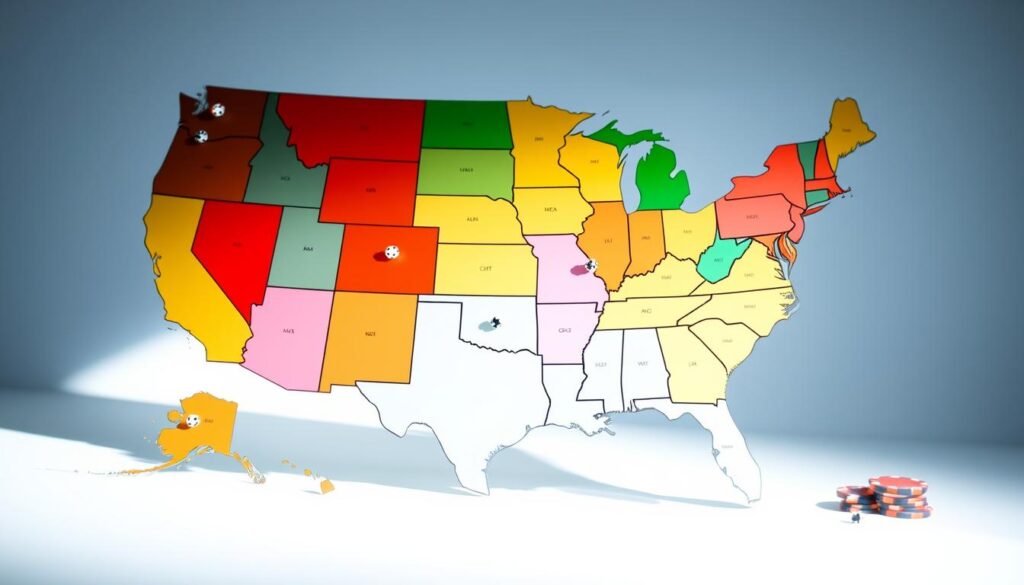
California is a “what could have been” story. They have lots of card rooms and a deep poker culture. But, they can’t get their laws right. It’s like a Ferrari stuck in traffic.
The emerging markets have their own stories:
- Connecticut entered with a big splash
- Rhode Island is small but mighty
- West Virginia came late but made an impact
- Michigan brought Great Lakes liquidity
Some states are holdouts. Hawaii and Utah don’t want gambling. The state-by-state breakdown of casinos and online shows how divided we are.
This analysis is fascinating because it shows our cultural differences. Some see legal online poker as a chance to make money. Others see it as wrong. It’s all about politics and values.
The multi-state compact is exciting. It creates big player pools. It’s like playing in a small pond versus swimming in the ocean.
Legislation is changing fast, like Taylor Swift’s dating history. But one thing is clear: our views on legal online poker show our cultural divides. Some states welcome it, while others ignore it.
The patchwork of regulations is like a federalism lab. Each state’s approach to legal online poker reveals more about their politics than speeches ever could.
Advocacy for Change
If you think the fight for online poker rights is over, you’re mistaken. Legislation moves slowly, and changing poker state laws is even slower. The Multi-State Internet Gaming Agreement shows what’s possible when states work together.
Advocacy groups are working hard for sensible gambling laws across the country. They’re using sports betting legalization as a guide for poker. Now, economic benefits are winning over the moral panic that lasted from Prohibition.
Some states are stuck in legislative gridlock, despite progress elsewhere. Knowing the current poker state laws landscape helps find where advocacy can make a difference. This isn’t just hope – it’s a strategic plan for making online poker accessible without a VPN.
The future of poker relies on continued advocacy and legislative progress. Every voice counts in shaping laws that protect players and let the game grow. We have the power to create a better future for American poker.
Leave a Reply