
Remember when digital card games felt like the Wild West? You’d sit anywhere, blissfully unaware of what you were getting into. Those days are gone forever.
Today, choosing where you play isn’t just smart—it’s essential. It’s the difference between pushing a boulder uphill and actually winning.
Finding the right opponents is everything. You want players who make mistakes, not pros who play perfectly. Recreational players are your golden ticket.
They play too many hands and call too often. This creates opportunities you won’t find elsewhere. Without them, you’re just donating your money.
Modern platforms like Zoom make table selection even more critical. You can’t pick your opponents, so you need other strategies.
Good table selection turns the odds in your favor. It’s not just about skill—it’s about playing against the right people.
Scouting a Table
Forget what movies say about poker intuition. Real table scouting is more about careful observation than being a spy. It’s about spotting the small signs that show who’s serious and who’s just playing for fun. The best table picking strategy turns poker into a smart investment.
Play Poker at the Right Times
Timing is key in poker, not just comedy. Weekends turn online poker rooms into a place for fun, not serious play. Players are there to relax, not to play their best.
Play your best during prime hours, like 4pm-12pm PST for Americas, or evenings for Europe. These times attract players who are there to have fun, not to win. This makes it easier for skilled players to make money.
Recreational Poker Player non-HUD Tells
Finding recreational players without software is like finding Waldo. They have clear signs that make them stand out. Here are some of those signs:
- Stack size below 100bb – This shows they’re playing with small amounts, not serious money
- Posting blinds out of position – This is like volunteering for a task you don’t want to do
- Limping into pots – This is a sign they’re playing like they’re buying a lottery ticket
- Min bets postflop – They’re playing it safe, not taking risks
- Playing 1-2 tables maximum – They can’t handle playing more than one game at a time
- Smart phone/tablet players – They’re playing while doing other things, like watching TV
Lobby statistics can also help. A Players/Flop percentage over 20% is a red flag. Over 30% means you’ve found a table where players are making bad choices.
This way of picking tables turns random choices into smart moves. Tag these players as opportunities, not just opponents.
Software Aids
Forget intuition; in today’s online poker, your HUD is key. Playing without it is like using a knife against drones. The right software makes online seat selection precise.
Recreational Player HUD Tells
Your heads-up display shows what cards can’t. VPIP (Voluntarily Put Money In Pot) is key. Spot someone with 40%+ VPIP and single-digit PFR? You’ve found a “human ATM.”
But wait, young padawan. Wait for 20+ hands to call them King Fish. Sample size is key. These players lose money like televangelists give away cash.
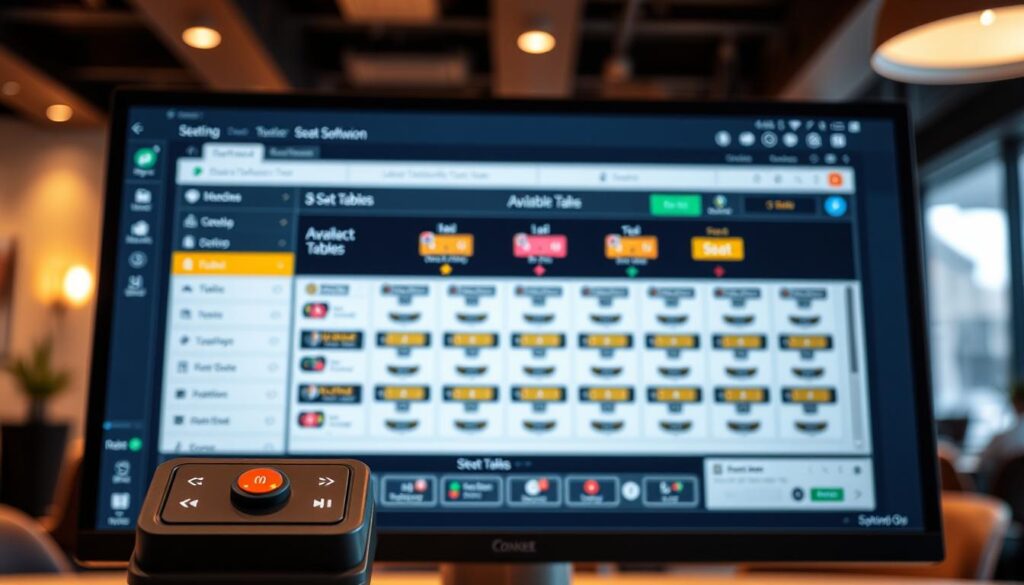
Why hunt when you can bait? Starting your own tables is a online seat selection power move. Recreational players can’t resist empty seats.
Set your trap and wait. If a regular sits instead? Don’t be a hero. Leave immediately. There’s no glory in battling equals when easy money awaits elsewhere.
For the tech-enabled, tools like TableNinja automate the process. Table scanners and seating scripts (where site-compliant) make online seat selection like chess. Think of it as having a personal assistant who finds juicy games while you stack chips.
Smart players expand across multiple poker sites too. More tables mean more opportunities. It’s like fishing in a pond versus casting nets across the ocean. Your software isn’t just an aid – it’s your unfair advantage in the modern poker arms race.
Playing with Positioning
Most players focus on their cards, but pros know location is key. Table selection poker is about more than finding the right game. It’s about getting the best seat.
Snipe The Jesus Seat
Forget about waiting for pocket aces. The real jackpot is the “Jesus Seat” next to the table’s weakest player. This spot is like a money machine.
Why is this spot so valuable? Sitting left of a recreational player lets you control the game. You can make them fold early and bet big later.
Being on their right makes you just another player. But on their left, you’re in charge, making their game tough.
Don’t Play Zoom Poker
Zoom poker is fast but bad for your bankroll. It makes table selection poker strategy hard to use.
Zoom poker hurts your position advantage:
| Traditional Tables | Zoom Poker | Impact on Your Game |
|---|---|---|
| You choose your seat | Random assignment | No Jesus Seat opportunities |
| Consistent opponents | Constantly changing | No player reads possible |
| Loose recreational play | Tighter overall play | Lower profit |
| Positional awareness | Positional lottery | Reduced strategic edge |
Zoom poker’s randomness means you miss out on the Jesus Seat. It’s like playing poker roulette instead of a strategic game.
Winners avoid Zoom poker. Stick to traditional tables for better positioning and the chance to grab the Jesus Seat.
In poker, your position decides if you’re the hunter or the hunted. Always aim to be the hunter.
Adjusting as Players Leave
Poker tables change like sand dunes in a storm. Your advantage is being able to adapt. When a casual player leaves, the table’s balance shifts. You need to adjust or you might become the target.
Tag Recreational Poker Players Right Away
Tagging is like keeping a list of profitable players. On sites like PokerStars or 888poker, mark them with colors and notes quickly. Spot a loose caller? Tag them fast.
Use breaks between hands to look for and label players. Every tagged player is a chance to make money.
Strategies for Effective Table Selection
Use two screens: one for playing, one for finding the best tables. When it’s your turn, think about making money. If a fun player leaves, leave too.
Play on different sites to find the best tables. Always be ready to move to a new table. This constant change is key to surviving in poker.
Leave a Reply