
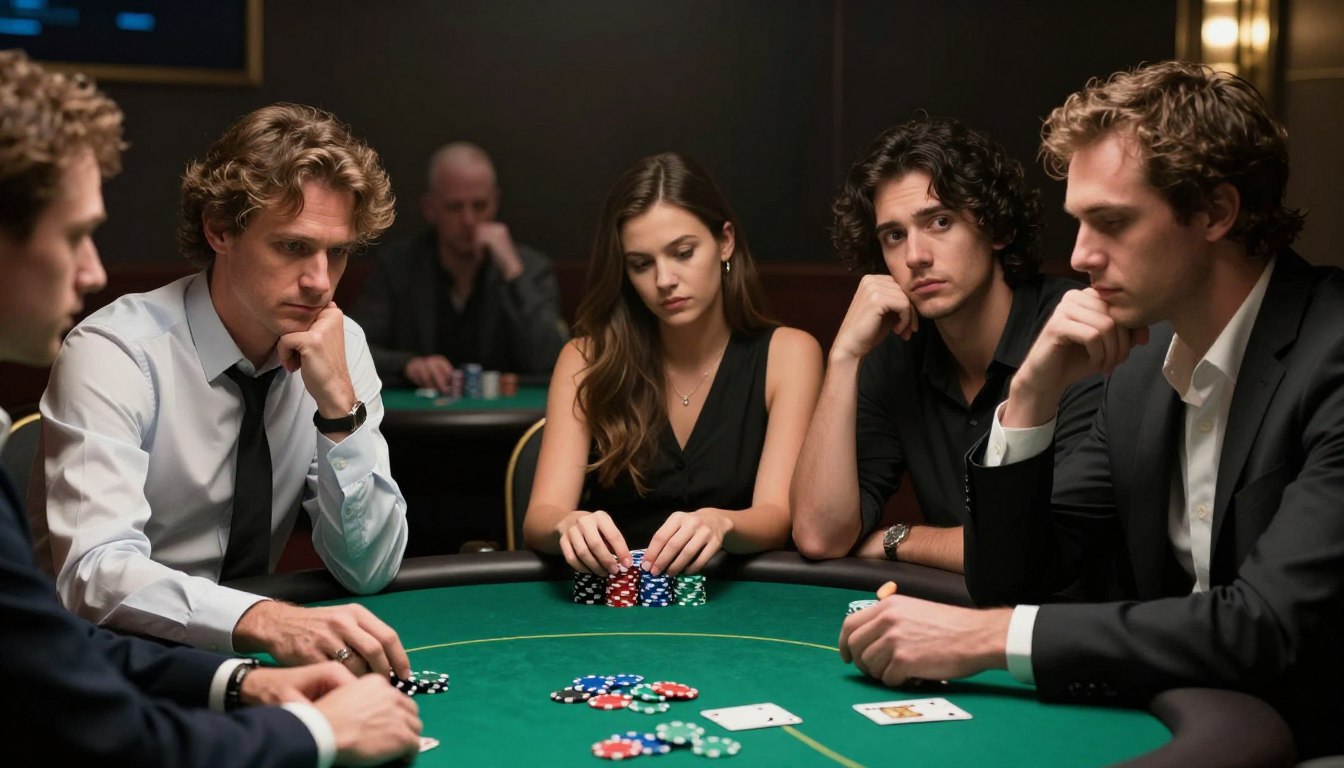
Sitting at the table, the most successful participants do more than just play cards. They study their competition. This skill combines keen observation with human psychology to gain a critical edge.
Historically, veterans relied almost entirely on physical tells and gut instinct. Today, modern strategy is built on rigorous mathematical analysis. The truth is, blending both approaches creates a formidable advantage.
Fundamentally sound play is the non-negotiable foundation. However, the ability to pick up on subtle behavioral leaks can transform a solid winner into a dominant force at the tables.
These tells are not just about nervous shakes. They encompass physical cues, verbal patterns, timing, and even how someone handles their chips. Each action can leak information about their hand’s strength.
Interpreting these signals is an art. It requires context, as not all participants exhibit the same behaviors, and some may deliberately deceive.
This guide will walk you through cultivating intense table awareness, identifying common tells, and integrating these reads into a modern strategic framework. Our goal is to help you become a more complete and perceptive player.
Why Mastering Live Poker Reads is Your Ultimate Edge
While solvers crunch numbers to define perfect play, a different kind of data unfolds in real-time across the felt. This is the domain of human behavior and poker tells. In an era dominated by game theory optimal (GTO) strategy, this human element provides a unique, exploitable edge software cannot replicate.
There’s a heated debate between pure GTO play and exploitative adjustments. GTO offers a solid, unexploitable baseline. It tells you what to do against a perfect, unknown opponent.
But your actual opponents are far from perfect. Sharp observational reads offer the “extra information” needed to make high-value deviations. They bridge the gap between theoretical soundness and maximum profitability against specific people.
Think of it this way. GTO is your defensive foundation. Reading skills are your offensive weapons. Mastering both transforms you from a player who merely plays correctly into one who can manipulate situations and win pots outside standard boundaries.
Top professionals prove this synthesis works. Daniel Negreanu famously integrates tell-reading into his advanced framework. His success demonstrates that these skills complement modern theory, they don’t contradict it.
What do these behavioral cues reveal? They can signal a strong hand or hidden weakness. They leak confidence or anxiety. Interpreting common poker tells allows you to exploit these leaks directly.
The ultimate advantage doesn’t come from choosing one path. It comes from synthesis. You build your game on solver-derived fundamentals. Then you layer on sharp, real-time psychological observation.
This fusion creates a formidable force at the table. It is the way to move beyond being just another competent player. You become a perceptive, adaptable, and truly dominant competitor.
The Observer’s Mindset: Cultivating Table Awareness
Before analyzing a single gesture, you must adopt a specific cognitive framework at the table. This is the observer’s mindset. It is a state of active, detached curiosity.
You are constantly gathering information without immediately jumping to conclusions. Think of yourself as a scientist studying people in their natural habitat. Your goal is to build a database of behavioral patterns.
This mindset requires disciplined attention. It shifts your focus from just your own cards to the entire social ecosystem. Mastering this is the first step to gaining a profound edge.
Scanning for Baseline Behaviors
Every person has a normal resting state. Your first task is to establish this baseline for each opponent. Do this when they are not involved in a hand.
Note their typical posture. How do they handle their chips? Are they talkative or quiet? Watch their eye movement during casual moments.
This profile becomes your reference point. Deviations from this baseline are potential leaks. For instance, a normally relaxed person who suddenly sits bolt upright is signaling a change.
Your attention should be casual and periodic. Do not stare. Glance around the table between actions. Build a composite picture over time.
Start by prioritizing the players directly to your left and right. Also, watch the most active people in the session. Their actions will give you the most information.
Understanding a player’s positional tendencies, as detailed in our guide on poker table position, provides crucial context for these behavioral baselines.
Focusing on Betting-Round Actions
When money enters the pot, your focus must intensify. This is when subconscious leaks are most likely. Shift your observation into high gear.
Track actions specific to each street. Watch how a person examines their cards pre-flop. Note their immediate reaction when the flop is dealt.
Observe their decision process on the turn. Pay close attention to bet timing on the river. Each stage offers unique behavioral data.
Look for defensive behaviors, like a quick check. Do not just watch for reactions to bets. Often, the act of checking itself can reveal weakness or strength.
Be observant the moment new community cards are revealed. A sharp intake of breath or a subtle glance can be very telling. These are not random actions.
Patience is non-negotiable. Valuable patterns emerge over hours, not within a single hand. Do not force a read after one odd behavior.
This systematic observation turns you from a passive participant into an active analyst. You stop just playing cards. You start playing the players.
Foundations of Physical Tells: Beyond the Poker Face
Forget the stoic mask. Genuine information often leaks through the body’s involuntary reactions under pressure.
These are physical tells. They are actions or behaviors that might give away clues about hand strength. They stem from stress, excitement, or intense concentration.
The classic “poker face” is a myth. True body language cues are found elsewhere.
Watch the extremities. Look at hand movements, posture shifts, and foot tapping. Autonomic responses like breathing rate and swallowing are also key.
These signals fall into two broad categories:
- Reliable Tells: Often subconscious and consistent for a specific competitor. They are repetitive leaks of genuine emotion.
- Theatrical Tells: Conscious performances meant to mislead. This is known as “hollywooding.”
The neurological basis is the fight-or-flight response. A big decision triggers adrenaline.
This can cause subtle trembling, a quicker pulse, or changed breathing. These reactions are hard to suppress fully.
Context is everything. A single gesture is rarely conclusive. You must compare it to the person’s established baseline.
Is this a deviation from their normal, relaxed state? Also, consider the specific situation in the hand.
Experienced poker players are aware of their own tells. They work to eliminate them. Some even use them as reverse signals.
This makes your initial observation of their baseline absolutely critical. Your best reads come from spotting patterns.
For newcomers with little experience, these physical poker tells can be very helpful. But they must be seen repeatedly to be trusted.
This foundation sets the stage for deeper analysis. Next, we’ll examine specific areas like the eyes, chip handling, and posture.
Interpreting the Eyes and Gaze
Observing where and how an opponent looks can unlock critical insights into their hand strength and confidence. The eyes are among the most revealing sources of tells. They are also the most consciously controlled.
This requires careful interpretation. You must separate genuine leaks from deliberate acts. A consistent pattern, not a single glance, provides reliable information.
The Direct Eye Contact Tell
Sustained, challenging eye contact after a bet is often a sign of bluffing. The player is overcompensating to project confidence. They are trying to appear stronger than they are.
Conversely, a competitor with a genuine strong hand will frequently look away. They might glance at the board or the pot. This is an attempt to seem disinterested.
This tells look is common among recreational players. Experienced individuals know this signal. They may reverse it to deceive you.
Your baseline observation is key. Does this person normally make eye contact? A deviation from their usual behavior is the true signal.
The Prolonged Look at Hole Cards
A lengthy examination of hole cards on the flop or turn is telling. It often indicates a marginal hand or a draw.
The player is trying to confirm their holding. They are checking for a possible straight or flush. This extra attention leaks uncertainty.
In contrast, a quick peek and looking away suggests a strong hand. With a set or top pair, they know their cards instantly. They avoid drawing attention to their strength.
Watch for this during key decision points. It is a valuable clue about their comfort level with the board.
Glances at Your Chip Stack
When an opponent looks at your stack after seeing new cards, it signals value-oriented thinking. They are calculating how much they can win. This often suggests a made hand or a very strong draw.
The timing of the glance matters. An immediate look after the flop is a strong indicator. A later glance during action can also be meaningful.
Correlate this tell with their bet sizing. A large bet after a stack assessment usually confirms strength. This combination is a powerful read.
Savvy players know this tell. They might glance at your stack with a weak hand as a reverse signal. Again, knowing their baseline is your defense.
Eye patterns, when combined with other behavioral cues, can provide high-confidence reads. They offer a direct line into an opponent’s strategic thinking. Use this information to make more informed, exploitative decisions at the table.
Chip Handling and Betting Mechanics as Tells
Chips are not just currency at the table. They are instruments that broadcast a competitor’s inner confidence or doubt. How someone interacts with their stack and executes bets offers a transparent window into their psychological state.
These mechanics are often habitual. They are less controlled than facial expressions. This makes them highly reliable once you identify a pattern.
Strong vs. Weak Chip Movement
Watch how a person places their chips into the pot. The motion itself can leak vital information. Forceful, abrupt placement often signals weakness.
A player may overcompensate by throwing chips in an attempt to intimidate. This is “weak bet, strong motion.” Conversely, smooth and deliberate betting usually indicates strength.
This is the “strong bet, weak motion.” They place chips gently, almost apologetically. The goal is to encourage a call from opponents.
The psychology is clear. A bluffer desires to appear decisive. A value bettor does not want to scare off customers.
Observe the consistency of a competitor’s chip handling. Note how they stack or riffle chips when relaxed. Any deviation from this baseline is a key tell.
For example, a normally casual person who suddenly grabs chips forcefully on the flop is likely uncomfortable. This is a valuable read.
| Strong Hand Indicators | Weak Hand Indicators |
|---|---|
| Smooth, deliberate chip placement | Forceful, thrown chip motion |
| Gentle stacking or counting of chips | Quick, fumbling grab for chips |
| Consistent handling with baseline | Noticeable deviation from normal behavior |
| Calm, unhurried bet timing | Hasty, rushed betting action |
Defensive Movements and Posture Shifts
Defensive moves are unconscious actions meant to discourage a bet. They often reveal a lack of strength. If a competitor reaches for their chips as you reach for yours, it is a sign.
This quick, preemptive reach suggests they plan to call. It usually means they do not have a strong hand. They are trying to appear ready and discourage further aggression.
Subtle hand movements toward chips after checking can indicate discomfort. Intense staring at the board after a check is another clue. These actions often mean they are weak and hope to avoid a bet.
Posture shifts are equally telling. A person who suddenly sits upright and alert has a hand worth engaging with. A slouched, disinterested competitor is more likely to fold.
Watch for awkward stillness after a check. This frozen posture can signal they are hoping the action ends. It is a defensive way to avoid betting.
These mechanics are habitual. They provide a reliable betting tell once you spot the pattern. Integrate this with other observations for high-confidence decisions.
The Power of Verbal Tells and Table Talk
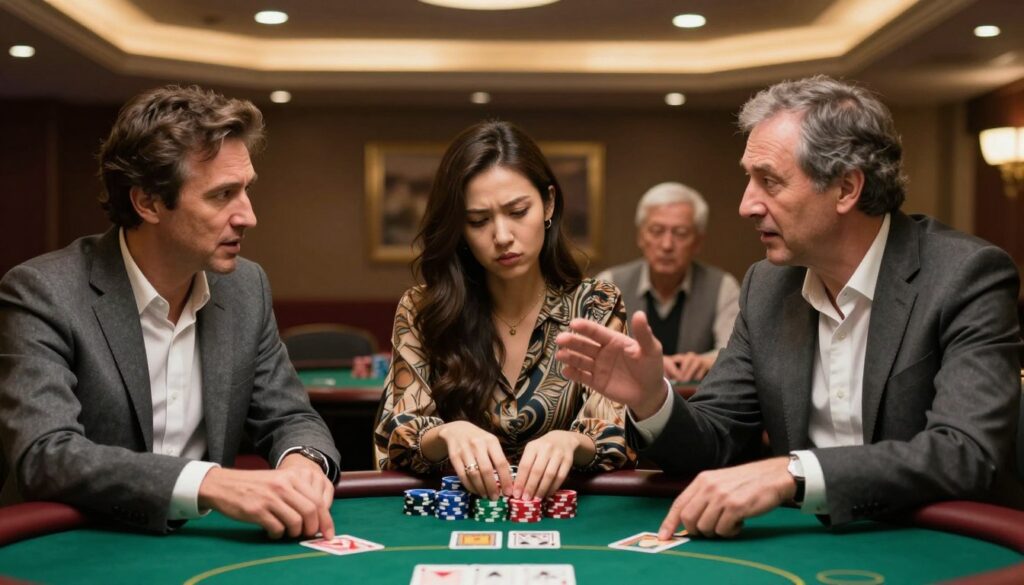
Words spoken at the table can be as revealing as a player’s cards. Speech is a double-edged sword. Competitors often disclose more than they intend through their words and delivery.
This verbal layer offers a direct stream of information. It complements physical observations. Mastering it requires listening to both content and tone.
Weak-Hand Statements and Goading
A common principle is “weak means strong.” When a competitor makes a significant bet and then verbally discounts their hand, they are often very strong.
Phrases like “I’m just on a draw” or “I probably have the worst of it” are examples. A bluffer avoids putting the idea of a weak hand in your mind. They want their story to seem credible.
Goading is speech intended to provoke a specific reaction. An opponent might say, “You’re not going to call, are you?” or “I dare you.” This usually comes from a person holding a strong hand.
They are relaxed and want to induce a call or raise. According to Zachary Elwood’s analysis, bluffers generally avoid goading. They fear accidentally angering an opponent into a hero call.
These verbal poker tells are powerful because they are deliberate. The speaker is trying to manipulate your perception. Their choice of words leaks their true comfort level.
Irritation, Confidence, and Unusual Silence
Irritation or rudeness from the bettor suggests comfort with their holding. Aggressively calling the clock or making a snippy comment indicates relaxation. They are not worried about the outcome.
Contrast this with irritation from a person waiting for action. This suggests defensiveness and a weaker range. Their frustration stems from uncertainty.
Vocal tone is equally telling. A confident, steady voice often accompanies a strong hand. A higher-pitched, shaky, or overly forceful delivery may indicate a bluff.
Patterns of silence are also revealing. A normally chatty individual who clams up is often focused on a big hand. Conversely, a quiet person who suddenly becomes verbose might be trying to sell a bluff.
This use of table talk as both a information-gathering and misinformation tool is a hallmark of experts. Daniel Negreanu is renowned for this mastery. He engages in conversation to elicit reactions while carefully controlling his own output.
To quickly reference these cues:
| Verbal Cue | Likely Hand Strength | Psychological State |
|---|---|---|
| “I’m probably beat…” during a big bet | Strong | Attempting to induce a call |
| Goading or daring an opponent | Strong | Relaxed, seeking action |
| Irritated tone from the aggressor | Strong | Comfortable, possibly impatient |
| Uncharacteristic silence from a talker | Strong | Focused, concealing excitement |
| Sudden chatter from a quiet player | Weak (Bluff) | Nervous, overcompensating |
| Shaky or forced vocal delivery | Weak (Bluff) | Anxious, lacking confidence |
Integrating these auditory tells with other observations creates a multi-dimensional read. It allows you to decode the story a player is telling, both with their chips and their words.
Timing Tells: The Meaning Behind Speed of Play
Timing tells cut through deception, offering clues that are difficult to consciously manipulate. The speed of a decision is one of the most universal sources of information. It applies equally in both live and online settings.
This category is hard to fake because rhythm is often subconscious. A competitor’s internal clock speeds up or slows down based on their comfort with a hand. Learning to interpret this time data adds a powerful layer to your analysis.
The Instant Call
A near-instantaneous call, especially pre-flop or on the flop, usually indicates a medium-strength holding. Think of a middle pair or a draw.
The player has immediately ruled out raising or folding. This caps their range. They see a clear path forward but lack the confidence to build the pot.
Context is key. An instant call of a 3-bet pre-flop often pins a competitor on hands like JJ or QQ. These are considered too strong to fold but too weak to 4-bet.
It is a passive, capped response. Recognizing this pattern allows you to apply maximum pressure on later streets.
Hesitations and Pauses When Betting
When a person makes a significant bet but hesitates during the action, strength is often the reason. Look for stop-and-start chip movements or a pause after saying “bet”.
They may be feigning weakness. Alternatively, they could be genuinely considering optimal sizing for value extraction. Both point to a confident hand.
Contrast this with a smooth, fast bet. This can be a sign of a bluff. The individual wants the action over quickly to avoid scrutiny.
Their quick play is a way to sell a story without dwelling on it. A deliberate hesitation leaks the opposite signal.
Quick Checks and Deliberate Tanks
An instant check signals disinterest and weakness. The competitor has already decided to give up. They are eager to move on to the next hand.
This quick action saves mental energy. It often means they have no credible plan for the street. You can frequently bet for value when you see this.
A long think, or “deliberate tank,” followed by a bet is different. It frequently indicates genuine strength.
They have gone through the mental process. They considered checking, betting, and raising for maximum value. The resulting action is usually a confident bet or raise.
Use this table to reference common timing patterns:
| Action & Timing | Likely Hand Strength | Strategic Implication |
|---|---|---|
| Instant Call | Medium (e.g., middle pair, draw) | Range is capped; apply pressure on later streets. |
| Hesitation Before/During Bet | Strong | Often value-oriented; consider calling with medium strength. |
| Fast, Smooth Bet | Weak (Potential Bluff) | Story may be thin; consider hero calls or raises. |
| Quick Check | Weak | Player is giving up; bet for value with a wide range. |
| Deliberate Tank Then Bet | Strong | Value extraction is the goal; proceed with caution. |
A crucial caution: timing tells are player-dependent. Some players are naturally fast. Others are consistently slow.
The key is to note deviations from their personal norm. Watch your opponents to establish their baseline speed. A fast player who suddenly tanks is sending a major signal.
Integrate these reads with other behavioral cues. This creates a multi-dimensional profile for each person at the table.
Common Live Poker Tells and How to Exploit Them
The most profitable insights often come from recognizing and acting on common, repeated tells. These high-frequency behaviors provide a direct path to exploitative adjustments.
While each competitor is unique, certain actions consistently leak information. Mastering these patterns allows you to shift from observation to decisive action.
This section synthesizes three reliable common poker tells. We will detail how to spot them and, crucially, how to exploit them for maximum gain.
Remember, these cues are most reliable against recreational poker players. Always look for patterns, not single instances.
Posture Change: From Slouch to Alert
A sudden shift in posture is a classic poker tells. When a relaxed person sits bolt upright, it signals engagement.
Leaning forward intently or stopping all fidgeting are similar signs. This change indicates they have found a hand they care about.
The strength of their interest is often proportional to the posture shift. A dramatic move suggests a very strong hand.
How to Exploit: Adjust your strategy against this demonstrated interest. You should value-bet thinner for maximum extraction.
Simultaneously, bluff less frequently into this focused attention. Their alert state means they are less likely to fold marginal holdings.
This tell is about players showing they are “in the hand.” Your exploitation involves respecting that signal.
Ostentatious Behavior and False Weakness
Acting overly weak is a deliberate performance. Sighing, shrugging, or saying “I guess I call” during a big bet is often a reverse signal.
This “Hollywood” move is designed to appear vulnerable. In reality, it usually masks a very strong hand. The player is trying to induce a call.
As noted in analysis by Zachary Elwood, bluffers generally avoid such weak-acting comments. They fear provoking an unnecessary hero call.
Excessive, unnatural chatter from a normally quiet person can also be a tell. This nervous laughter or forced conversation often accompanies a bluff.
How to Exploit: When you see false weakness, fold more often to subsequent aggression. Their act is unlikely to be a bluff.
Conversely, if a reserved competitor becomes suddenly talkative, consider calling down lighter. Their verbal overflow may be bluff-related anxiety.
For a deeper dive into spotting and leveraging these behaviors, explore this resource on common poker tells.
Double-Checking Hole Cards in Context
The meaning of re-examining hole cards depends entirely on the action sequence. Context transforms this simple act into a powerful tell.
Scenario 1: Check then Re-check. A person checks their option and then looks back at their cards. This usually indicates weakness.
They are confirming they have no draw or hidden strength. It’s a subconscious leak of disappointment on the flop or turn.
Scenario 2: Bet then Re-check. After making a significant bet, the player glances at their cards again. This signals relaxation and confidence.
They are savoring their hand or confirming their nut advantage. It is a sign of comfort, not doubt.
How to Exploit: Against the first scenario, bet aggressively. Their re-check confirms they are likely ready to fold.
Against the second scenario, exercise caution. Their post-bet glance suggests value and a plan for future streets.
Use this quick-reference table to integrate these tells into your in-game decisions:
| Common Tell | Typical Indicator | Likely Hand Strength | Exploitative Action |
|---|---|---|---|
| Posture Change | Slouching player suddenly sits upright, leans in, or stops fidgeting. | Strong | Value-bet wider; reduce bluff frequency. |
| False Weakness | Verbal discounting (“I’m probably beat”), sighing, or shrugging during a bet. | Strong (Often Value) | Fold more to aggression; do not hero call. |
| Nervous Chatter | Quiet opponent becomes excessively talkative or laughs unnaturally. | Weak (Potential Bluff) | Consider calling down lighter; apply pressure. |
| Re-check after Check | Player checks, then double-checks their hole cards. | Weak | Bet with a wide range for value and folds. |
| Re-check after Bet | Player bets, then casually glances at their hole cards again. | Strong | Proceed with caution; call or fold marginal hands. |
Keep this mental checklist handy. It turns common observations into a strategic edge against any opponent.
Avoiding Common Pitfalls in Reading Opponents
A sharp eye for tells is powerful, but an undiscerning one is a path to costly errors. The journey to mastering behavioral analysis is fraught with misinterpretation.
Learning common poker tells is only half the battle. Avoiding these critical pitfalls is equally important for your success.
Three major traps can undermine your observational edge. You must watch for false signals, avoid putting too much weight on a single clue, and always consider the player type.
False Tells and “Hollywooding”
Hollywooding is a deliberate performance meant to induce a specific reaction. An opponent acts out a false emotion to manipulate your decision.
Spotting this act requires comparing the behavior to their baseline. Is the tell exaggerated, mistimed, or inconsistent with their normal state?
For example, a white-knuckled grip on cards might be a theatrical show of strength. A seasoned competitor knows this is a classic movie trope.
They might use it to represent a bluff. Against a suspected actor, consider doing the opposite of what the surface signal suggests.
Their obvious “weakness” often masks a very strong hand. This is a common trick among experienced players.
Over-Reliance on a Single Tell
No single gesture, word, or timing cue is conclusive. Tells are clues, not cheat codes.
High-confidence decisions require a confluence of signals. You need betting patterns, board texture, and player history.
A single tell should only act as a tie-breaker in marginal spots. It must never be the sole reason for a major, pot-changing decision.
As noted in strategy guides, you should look for multiple consistent signals before changing your play. Three agreeing clues are far more reliable than one.
This disciplined approach prevents you from being fooled by random noise or clever deception.
Ignoring Player Archetypes and Tendencies
A tell’s meaning can change completely based on who shows it. Building a profile is essential.
Is the player tight or loose? Passive or aggressive? Experienced or a beginner? This context transforms the information.
A sigh from a tight-passive person usually means genuine strength. The same sigh from a loose-aggressive competitor might be part of an act.
Common archetypes exhibit predictable tendencies:
| Archetype | Key Tendencies | How a “Sigh” Tell Might Read |
|---|---|---|
| The Aggressor (Jock) | Bets big and frequently. Often stacks chips while waiting. | Likely theatrical, attempting to appear weak with a strong hand. |
| The Technician (Brain) | Tight, logical, and precise. Folds quickly without equity. | Genuine frustration or disappointment, often indicating weakness. |
| The Gambler (Criminal) | Plays a very wide range. Bets on almost every hand. | Unreliable; could be boredom or part of a constant performance. |
Continuously update your read on opponents as the session progresses. People can and do change their strategies.
For newcomers, focusing on foundational game knowledge is crucial. Our guide on fundamental Texas Hold’em strategy provides an excellent starting point.
Disciplined observation involves healthy skepticism and correlation. Do not jump at every perceived signal.
By avoiding these pitfalls, you turn raw observation into reliable, exploitable intelligence. This protects your edge and boosts your win rate.
Integrating Live Reads with Modern Poker Strategy
True mastery emerges when cold mathematics meets warm-blooded human observation. The sharpest competitors do not see these as opposing forces.
They view behavioral cues as a rich data layer. This information feeds into a fundamentally sound strategic framework.
Top professionals like Daniel Negreanu exemplify this synthesis. They build their game on rigorous analysis.
Then they use psychological reads to make precise, exploitative adjustments. This integration is the final step toward dominance.
Balancing GTO Fundamentals with Exploitative Adjustments
Game Theory Optimal (GTO) strategy is your defensive home base. It provides a default, unexploitable plan against an unknown opponent.
Observational reads supply the offensive intelligence. They tell you when and how to deviate for maximum profit.
Think of GTO as the rulebook. Live tells are the scouting report on the other team’s tendencies.
For example, a reliable tell suggesting weakness on a scare card is a green light. You can increase your bluff frequency well beyond GTO recommendations.
Conversely, if a competitor’s behavior screams they will never fold, tighten your value-betting range. You avoid bloating pots with marginal hands.
This balance prevents you from becoming predictable. You stay solid while surgically exploiting specific mistakes.
Using Tells to Make Marginal Decisions
Behavioral information shines brightest in close, high-leverage spots. These are moments where theoretical equity is near 50/50.
A classic example is a large river bet into you. Solver output might suggest a close decision between calling and folding.
A strong read can tip the scales decisively. It pushes you from a theoretical break-even play to a clearly profitable one.
Perhaps a subtle timing tell or a verbal leak suggests a bluff. This could turn a fold into a winning call.
Maybe a posture shift indicates hidden strength. This could change a thin value-bet into a prudent check-back.
The key is to use tells for fine-tuning, not for overhauling sound strategy. Never make a wild, theory-defying move based on a single hunch.
Adopt a disciplined two-step mindset. First, identify the theoretically correct action for the situation.
Second, ask a critical question: “Do my live observations suggest a specific adjustment is warranted here against this player?”
This methodical approach protects your core game while unlocking extra profit from human behavior.
| Common Marginal Spot | GTO Baseline Action | Supporting Tell | Exploitative Adjustment |
|---|---|---|---|
| River call for a large pot; solver shows 48% equity needed. | Near 50/50 decision; a slight mathematical fold. | Opponent glances at your stack quickly, then makes a slightly oversized bet. | Shift to a call. The sizing and glance often indicate value-betting strength, making a bluff less likely. |
| Deciding to bluff on a scary board after opponent checks. | Mixed strategy: bluff with some frequency, check back with others. | Player checks instantly and then re-examines their hole cards, showing disappointment. | Increase bluff frequency significantly. The double-check confirms weakness and a high likelihood of folding. |
| Value-betting a medium-strength hand on the river. | Bet small for thin value, or check to control pot size. | Opponent has been talkative but suddenly becomes quiet and still when the river card lands. | Check back. The uncharacteristic silence and stillness often signal they have connected strongly with the river. |
| Facing a 3-bet pre-flop with a hand like AQ. | Often a call, sometimes a fold depending on position and sizing. | The raiser hesitates noticeably before making their 3-bet, then avoids eye contact. | Lean towards a 4-bet or call more aggressively. The hesitation can indicate a medium-strength hand trying to appear strong. |
This table illustrates the power of synthesis. You start with a solid baseline from modern theory.
You then use observed data to make a more informed, player-specific choice. This is how the best players consistently find extra edges.
How to Practice and Refine Your Live Poker Reads
The art of reading competitors isn’t innate. It’s cultivated through systematic observation and analysis. Turning theory into instinct requires a dedicated practice routine.
You must develop a structured methodology. This approach works both at the tables and during your study time. Consistent effort here pays massive dividends.
Never apply a suspected tell without confirming it first. Research your opponent’s habits. Once you identify a reliable pattern they repeat, you gain a powerful, exploitable edge.
Starting with One Player at a Time
Avoid information overload, especially as a beginner. Your goal for a session is simple. Focus your observational attention on a single opponent.
Track their every action for hours. Note how they handle their hole cards pre-flop. Watch their immediate reaction when the flop is dealt.
Observe their bet timing and general demeanor. Build a deep, comprehensive profile. This focused effort yields far more information than scanning the entire table superficially.
Choose a player in a key position, like on your direct left or right. Their actions will impact you most often. This makes your research immediately valuable.
Keeping a Mental Log of Patterns
Your memory is unreliable during a long session. Develop a shorthand system to record behavioral patterns.
Create mental or quick physical notes for each person. For example: “Player 3: glances at stack on flop = strong pair+”. Another note could be: “Player 5: instant call = medium-strength hand“.
Categorize these observations to stay organized:
- Pre-flop behavior: How they look at cards, initial posture.
- Reaction to flop: Immediate physical response to community cards.
- Betting mechanics: Chip handling speed and force.
- Speech patterns: Changes in talkativeness or tone.
This log transforms random observations into a searchable database. You’ll start to predict actions based on recorded tells.
Reviewing Hand Histories with Tells in Mind
Your learning shouldn’t stop when you leave the casino. Establish a post-session review routine. Replay key hands not just based on cards and bets.
Mentally replay the physical and verbal cues you recall. Ask a critical question: “Did I miss a tell that could have changed my decision?”
This reflection solidifies the connection between behavior and hand strength. It trains your brain to prioritize these signals in the future.
You can also practice away from the table. Study footage of televised live poker events.
Watch with the sound off to practice reading pure body language. Then, watch with sound on to analyze speech and timing. This hones your observational skills in a zero-risk environment.
Skill development in this area is gradual. Consistency in practice is far more important than immediate results. Dedicate time each week to this mental training.
Over time, you’ll process these cues subconsciously. You’ll make better decisions with less deliberate effort. This is how you turn observation into a consistent, profit-printing edge.
Conclusion: Becoming a Complete Live Poker Player
True table dominance is achieved not by choosing between strategy and psychology, but by fusing them. Your journey cultivates an observer’s mindset, deciphers tells in eyes and speech, and integrates these reads into a modern framework.
The complete player is a hybrid. They wield mathematical rigor alongside sharp psychological acumen. Your goal is not mind-reading, but reducing uncertainty.
Every reliable tell shrinks an opponent’s range. This grants a statistical edge. For deeper study, resources like Zachary Elwood’s work offer structured learning. A scientific analysis of poker tells suggests these skills, while not the central factor, can meaningfully boost your win rate.
As you practice, you’ll gain a richer appreciation for the human game. In a world of incomplete information, the player who gathers the most clues holds the ultimate power.
Leave a Reply